

The email marketing metrics and KPIs you should track in 2025 include open rate, click-through rate, conversion rate, bounce rate, unsubscribe rate, spam complaints and list growth rate, along with cost per conversion and ROI. Together they show whether your emails reach the inbox, get read and bring in money.
Email can return as much as $44 for every dollar spent, but only if you measure what works. Below, we explain all 16 metrics, the benefits of tracking them and tips to improve each one.
What are email marketing KPIs and Metrics, and why are they important to track?
Some of the most important KPIs to track include open, click-through, conversion, and unsubscribe rates.
By tracking open rates, click-through rates, conversion rates, and unsubscribe rates, you can see whether people engage with your emails and convert them into customers.
But tracking just those KPIs is not enough. It would help if you also track additional metrics such as bounce rates, spam complaints, and email client usage. By monitoring all of these KPIs and metrics, you’ll have a complete picture of your email marketing performance and be able to make the necessary adjustments to improve your results.
This post lists the 16 essential email marketing KPIs and metrics you should watch in 2025. Partnering with a B2B email marketing agency can help you track and analyze these metrics effectively to optimize your campaigns for better results.
The most common email marketing KPIs
1. Number of emails sent: This KPI tells you how many emails you’ve sent out. It’s essential to track this metric because it helps you determine the scale
2. Open rates: This KPI tells how many people opened your email. Tracking this metric is essential because it indicates whether people are interested in your content.
3. Click-through rates: This KPI tells you how many people clicked on a link in your email. Tracking this metric is essential because it indicates whether people are interested in the content of your emails.
4. Conversion rates: This KPI tells you how many people took the desired action after clicking a link in your email. Tracking this metric is important because it indicates how effectively your email marketing converts people into customers.
5. Unsubscribe rates: This KPI tells you how many people unsubscribed from your email list. Tracking this metric is important because it indicates whether people are no longer interested in your content.
6. Bounce rates: This KPI tells you how many email addresses bounced (or failed to deliver) when sent to. Tracking this metric is essential because it means whether your email list is healthy.
7. List Growth Rate: This KPI tells you how many new people are signing up for your email list. Track this metric because it indicates the popularity of your content.
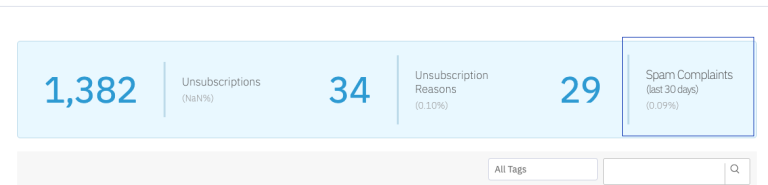
8. Spam complaints: This KPI tells you how many people reported your email as spam. Tracking this metric is essential because it indicates whether people are unhappy with the content of your emails.
9. Email client usage: This KPI tells you what email clients (Gmail, Apple Mail, Outlook, etc.) people use to open your emails. Tracking this metric is important because it helps you determine which clients you should design your emails for.
10. Email Forwards and Sharing: This KPI tells you how many people share or forward your email. Tracking this metric is important because it tells you how popular your content is.
11. Time of Day and Day of the Week: This KPI tells you when people are most opening your emails and on which day of the week. Tracking this metric is important because it helps you determine the best day and time to send your emails.
12. HTML vs. text emails: This KPI tells you which type of email gets the most clicks. Tracking this metric is important because it helps you determine which type of email is most appealing to your audience.
13. Mobile vs. desktop: This KPI tells you which devices people open your emails on. Tracking this metric is important because it helps you determine which devices you should design your emails for.

14. Top-performing email campaigns: This KPI tells you which email campaigns get the most clicks. Tracking this metric is important because it helps you determine which campaigns are the most successful with your audience.
15. Cost per conversion: This KPI tells you how much money you spend on each conversion. Tracking this metric is essential because it tells you how effectively your email marketing converts people.
16. ROI: Finally, the most important KPI that you should be tracking. This KPI tells you how much money you’ve made from your email marketing campaigns. Tracking this metric is important because it tells you how successful your email marketing is at making money.
The benefits of using email marketing KPIs
But then the obvious question is, why care? What are the benefits of tracking these email marketing KPIs?
By tracking the correct KPIs, businesses can measure the success of their email marketing campaigns and make necessary adjustments to improve their performance. Some of the benefits of using email marketing KPIs include:
- Improved open rates
- Increased click-through rates
- Higher conversion rates
- Reduced unsubscribe rates
Tips for improving your email marketing KPIs
Email marketing is a critical part of any business’s marketing strategy; you must ensure that your email marketing is effective; therefore, the whole team needs to track the right KPIs. But let’s also learn how to improve these KPIs. Here are a few tips for improving your email marketing KPIs:
1. Make sure your subject lines are catchy and exciting.
2. Write informative content that will interest your audience.
3. Validate your emails. Use an email validation checker like ZeroBounce. It’s easy to use, and they have a great support team.
4. Test different subject lines and content to see what works best.
5. Track open rates, click-through rates, conversion rates, and unsubscribe rates to measure the effectiveness of your email marketing strategy.
6. Make necessary adjustments to improve your email marketing performance.

You don’t need to watch all 16 every week. Pick the 3 or 4 tied to your main goal, such as click-through rate and conversion rate for sales, and review them after every campaign. Test one variable at a time, like the subject line or send time, to help your email strategy improve.
Check the rest monthly to catch deliverability or list problems early.